Spring
BestApr – May
Ideal — warm, Easter crowds in April
Average low–high: 11–22°CMonthly rainfall: 50 mmCrowds: Very high
Italy
The complete 2026 travel guide
2,778 years of civilisation in one 1,285 km² city — Roman ruins, Renaissance basilicas, Baroque fountains, and the best €12 pasta lunch you'll ever eat.
Free · No credit card · 2 minutes
The short answer
Yes — worth it for Ancient History, Vatican, Food. Plan 4–5 days, ideally in Apr–May · Sep–Oct. 2,778 years of civilisation in one 1,285 km² city — Roman ruins, Renaissance basilicas, Baroque fountains, and the best €12 pasta lunch you'll ever eat.
Go if you want
Think twice if
Rome is one giant open-air museum — 2,000+ years of continuous habitation stacked in layers you can walk through in a single morning: Roman Forum, medieval churches, Renaissance palaces, Baroque piazzas, 19th-century royal palaces, 20th-century Fascist architecture. 2.8 million people live here, but the historic centre (where 95% of tourists stay) is a compact 4 km² enclosed by the Aurelian Walls. Most first-timers do 4-5 days; 6-7 unlocks day trips to Tivoli, Ostia Antica, or a high-speed train to Florence or Naples.
The old city divides into a handful of districts. Centro Storico (Campo de' Fiori, Piazza Navona, Pantheon) is the Renaissance core. The Vatican sits across the Tiber in its own tiny country (0.49 km², smallest UN member). Trastevere — working-class medieval quarter turned restaurant + nightlife zone. Monti — hip boutique quarter near the Colosseum. Testaccio — real Roman neighborhood for authentic cucina romana. Rome's famous Seven Hills are mostly slight rises now; walking the centre is the move.
Rome transport is minimal — 3 Metro lines (A, B, C) because every time they dig, they hit an archaeological site. Buses + trams fill gaps. €1.50 per ride, €7 day pass, €18 weekly pass. Metro works for most tourist routes but many sights (Pantheon, Piazza Navona, Campo de' Fiori) are in the metro-less centre. Walking + occasional bus/taxi is best. Budget mid-range daily €170-220 including a 3-star hotel in Centro Storico, three meals (trattoria-level), transport, one paid attraction.
Before you go
The details that change a trip — read these before you book.
Book Vatican Museums + Colosseum tickets 30+ days ahead online — walk-up queues are 2-3 hours in peak season.
Drink from nasoni fountains — free, safe, delicious Rome tap water comes from ancient aqueducts. 2,500+ drinking fountains around the city.
St. Peter's Basilica is FREE — only the climb up the dome has a fee (€10). Most people don't realize and pay €25+ for "skip-the-line" tours they don't need.
Pizza al taglio > sit-down pizza — walk up to Pizzarium, Bonci, or any forno for world-class pizza by weight (€15-25 per kg).
Monday is dead in Italy — most museums closed (Vatican Museums still open, Galleria Borghese closed). Plan around it.
Aperitivo hour (18:00-20:00) includes free snacks with your drink — Campo de' Fiori + Monti best for this.
Sunday morning Colosseum + Forum has the smallest crowds of any major museum in Rome.
Learn "prego" — it means "please", "go ahead", "you're welcome", "here you are", "after you". Used constantly.
When to go
April-May (spring, 18-24°C) and September-October (autumn, 20-25°C) are peak. July-August hits 32°C+ with most Romans fleeing the city (many restaurants close August). November-March is cool + rainy but cheapest hotels.
Spring
BestIdeal — warm, Easter crowds in April
Summer
Hot, humid, Roman exodus in August
Autumn
BestStill warm, harvest season, ideal
Winter
Cool, rainy, quiet, Christmas lights
Bar color follows the average high (cool blue → hot coral); faded bars fall outside the best months. The shaded base is the average low.
Swipe for Jul–Dec →
How long
4–5 days is the sweet spot. Four days for essentials: one day Vatican (Basilica + Museums), one day Ancient Rome (Colosseum + Forum + Palatine), one day Centro Storico (Pantheon + Navona + Trevi + Spanish Steps), one day for Borghese + Trastevere. Six-seven days adds Ostia Antica day trip, Capitoline Museums, and time for shopping/food focus.
Arrive, Centro Storico walk + dinner in Trastevere
From the week plan
EssentialVatican City full day + Castel Sant'Angelo sunset
From the week plan
EssentialColosseum + Forum + Palatine + Monti dinner
From the week plan
EssentialBorghese Gallery + Villa Borghese + Spanish Steps + Trevi
From the week plan
EssentialTestaccio market + Aventine + Ostia Antica day trip
From the week plan
Worth itCapitoline Museums + Jewish Ghetto + Tiber walk
From the week plan
If you have timeFlorence day trip (1h 30m by high-speed train) or departure
From the week plan
If you have timeBudget
Yes — Rome is one of the pricier cities we cover. Mid-range travelers spend about €190/day per person — pricier than 15 of the other 21 cities we cover. That's roughly €760–€950 for 4–5 days, before hotel city tax. Backpackers get by on €90/day; luxury starts around €700/day.
Backpacker
€90
per person · per day
Hostel + cornetto + pizza al taglio + public transport + 1 paid attraction.
Mid-range
Most common€190
per person · per day
3-star hotel in Centro Storico + trattoria meals + Metro + 1-2 paid attractions.
Luxury
€700
per person · per day
Hotel de Russie / St. Regis / Hassler + La Pergola + private guide + taxi.
Your trip, roughly
≈ €760–€950 for 4–5 days
mid-range · per person · before flights
Biggest markups first — what locals pay vs. the first price tourists get quoted.
Espresso at bar counter
4× markupTourist price: Piazza Navona sit-down service.
Vatican Museums ticket
3× markupTourist price: Tour company + priority entry.
Colosseum combo ticket
2.5× markupDirect booking. · Tourist price: Third-party "skip-the-line" reseller.
Gelato medium cup
2.3× markupTourist price: Tourist gelato near Vatican/Trevi.
Pasta dish trattoria
2× markupTourist price: Piazza restaurant with laminated menu.
Taxi FCO to center
2× markupFlat fare by law. · Tourist price: Unofficial airport driver.
Metro + bus single ride
Book first
6 things in Rome sell out or need a timed slot. Work backwards from your dates: Colosseum (Colosseo) first (3 months out). The timeline below runs from 3 months out down to before you fly: 5 sights to book and your hotel.
Arena Floor + Underground tours sell out 2-3 months ahead.
Book 2-3 months ahead for Apr-May + Sep-Oct + Christmas
Papal Audience Wednesdays 10:00 when Pope in Rome — book free tickets 1 month ahead via Prefecture of Papal Household.
Book online 30+ days ahead for the specific time.
Book Galleria 1-2 weeks ahead at tosc.it — sells out peak season.
Da Enzo al 29 for authentic cucina romana; book 3 days ahead.
Neighborhoods
Centro Storico for a first visit — Pantheon, Navona, walkable everywhere, premium prices. 6 areas compared below, from €90 to €200 a night. Termini is the best value at about €90 a night. Book hotels 3 months out for the busiest dates.
Pantheon + Navona, walkable everywhere, premium prices
from €200 / night
Bohemian, restaurants + bars, cobbled streets
from €150 / night
Hip boutique quarter near Colosseum, design hotels
from €170 / night
Near Vatican City, quieter, fewer tourists at night
from €140 / night

Near central train station, budget hotels
from €90 / night
Authentic Roman neighborhoods, residential
from €130 / night
Things to do
8 must-sees, 8 more if you have time, and 7 things to skip. Start with Colosseum (Colosseo), Roman Forum + Palatine Hill, and Pantheon. Most must-sees sit within a 15-minute walk of another stop — the 3 walkable groups below pair them into half-days. First thing to skip: Aug if you dislike crowds.
Relative positions, not to scale. Numbered points are the must-sees.
Also on the map: Santa Maria Maggiore, Spanish Steps (Piazza di Spagna), Campo de' Fiori, Monti, Testaccio, Villa Borghese + Borghese Gallery, Castel Sant'Angelo
Farther out: Ostia Antica
Places within a 15-minute walk of each other, grouped into half-days.
Pantheon, Trevi Fountain (Fontana di Trevi), Piazza Navona, Spanish Steps (Piazza di Spagna), Campo de' Fiori, Castel Sant'Angelo
The must-sees.

80 AD Flavian Amphitheatre — 50,000 seats, gladiator spectacles, sea battles. Arena floor access + underground access require upgraded tickets.
Combined Colosseum + Forum + Palatine adult; Arena Floor upgrade +€6; Underground +€15.
Political + religious + commercial heart of ancient Rome (500 BC – 300 AD) + the hill where emperors built their palaces. Included with Colosseum ticket.
Included with Colosseum combo ticket.
_-_Right_side_and_front.jpg/1280px-Pantheon_(Rome)_-_Right_side_and_front.jpg)
126 AD Roman temple converted to Christian church — world's largest unreinforced concrete dome, a 9 m-wide oculus open to the sky. Tombs of Raphael + Italian kings.
Since 2023 ticketed; free on 1st Sun monthly + for EU under 18.
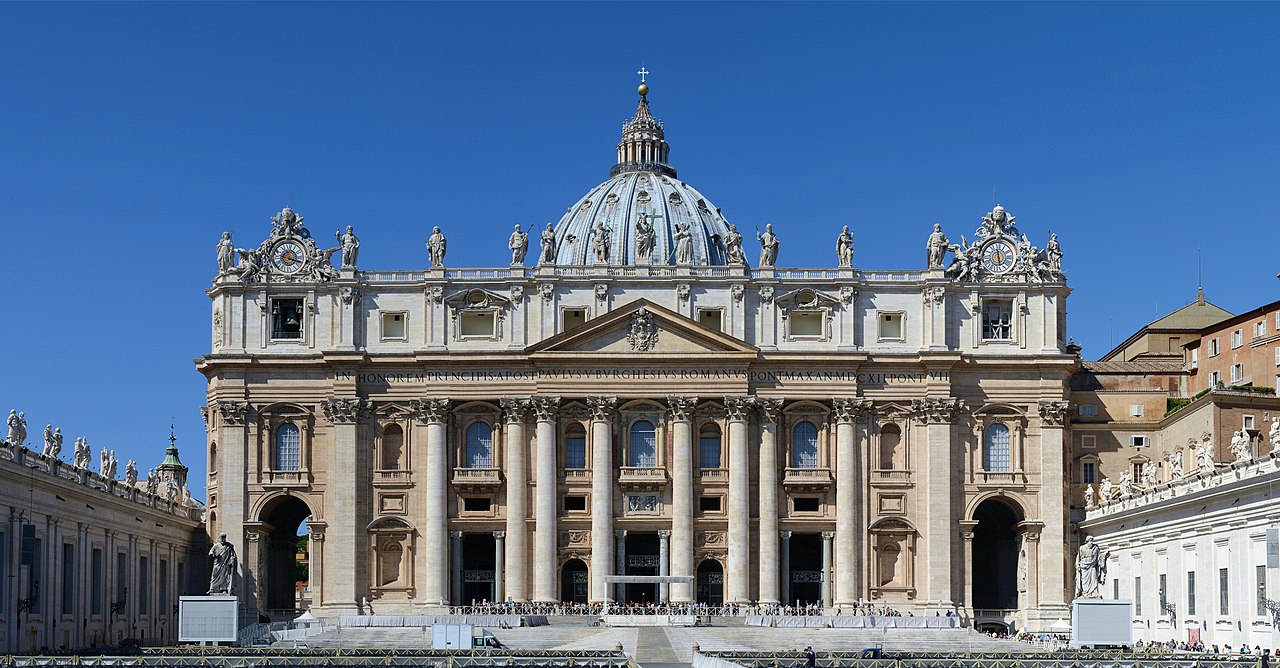
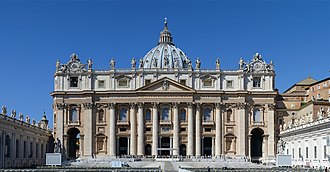
Largest church in the world — Bernini's baldachin, Michelangelo's Pietà, St. Peter's tomb. Free entry but security screening. Climb the dome (551 steps) for panorama.
Basilica free. Dome climb €10 lift + stairs; €8 all stairs.
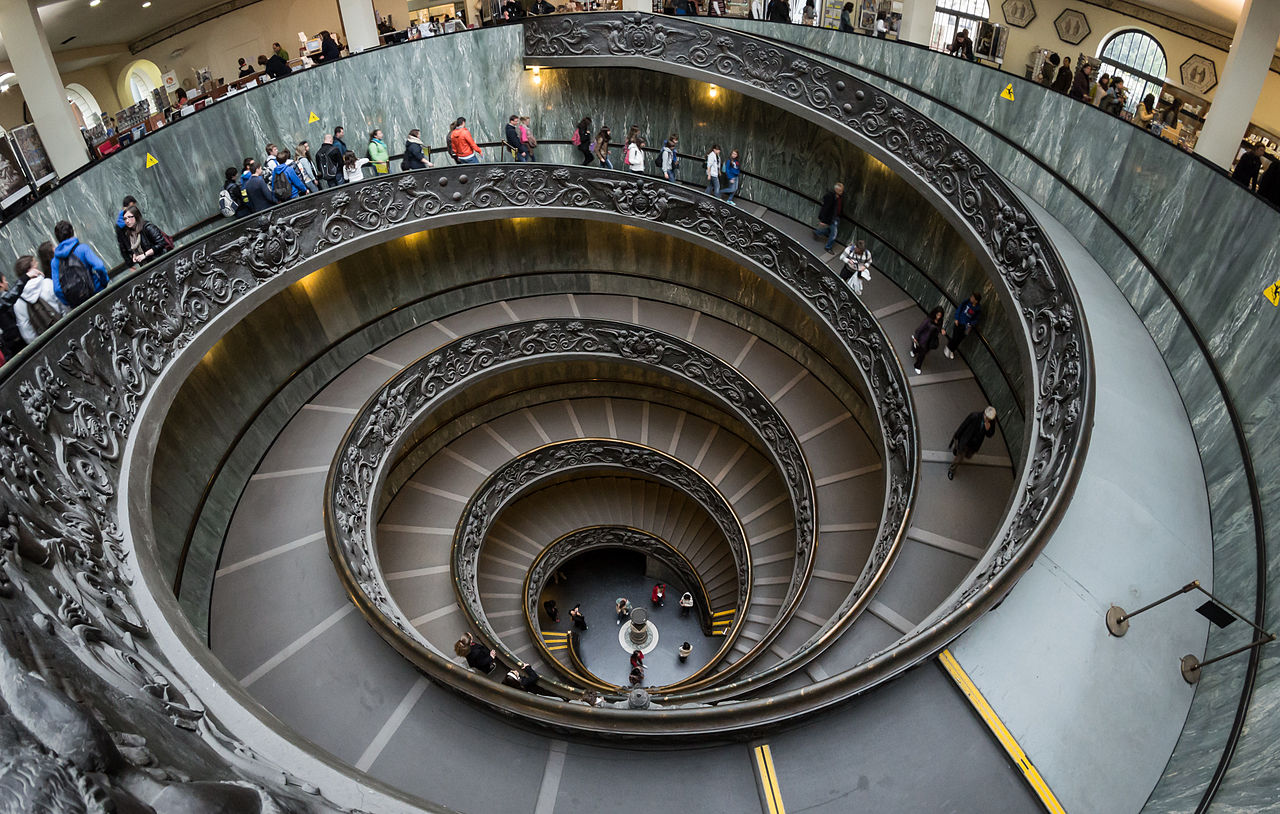
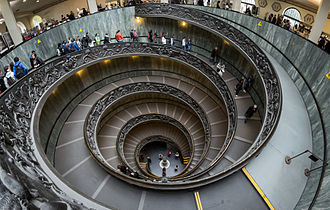
World's largest art collection — Raphael Rooms, Egyptian + Etruscan wings, Pinacoteca, Gallery of Maps, and the Sistine Chapel ceiling. 4+ hours.
Standard ticket; audio guide +€7; Breakfast early access €45; online booking mandatory peak season.

1762 Baroque masterpiece — Neptune flanked by sea-horses in a 26 m-wide basin. Throw a coin over your left shoulder to return to Rome (€1.5 million in coins collected annually, goes to charity).
Since Feb 2026: €2 to enter the basin area for close views; viewing from above remains free.
_at_night.jpg/1280px-Piazza_Navona_(Rome)_at_night.jpg)
Roman stadium (86 AD) turned Baroque piazza — three Bernini + Borromini fountains, Sant'Agnese church. Street painters + musicians daily; Christmas market in December.

"Across the Tiber" — medieval cobbled quarter + restaurants + bars. Basilica of Santa Maria in Trastevere (one of Rome's oldest churches, 340 AD). Best evening neighborhood.
Worth it once the must-sees are done. Tap a row for the detail.

5th-century papal basilica — oldest dedicated to the Virgin Mary in the West. Byzantine mosaics + Renaissance ceiling + Pope Francis' tomb. Free entry.
Basilica free. Loggia (mosaics) tour €7.
_0004.jpg/330px-Piazza_di_Spagna_(Rome)_0004.jpg)
1725 travertine staircase of 135 steps — Rome's most photographed plaza. Fontana della Barcaccia at base (Bernini, 1627). Keats-Shelley House at the top.

Rome's morning flower + food market (Mon-Sat 07:00-14:00); evening turns into open-air drinking + dining scene. Giordano Bruno statue — burned at stake here 1600 for heresy.

Hip boutique + vintage quarter between Colosseum + Termini — wine bars, design shops, small piazzas. More locals than tourists.

Working-class Roman neighborhood south of center — authentic cucina romana (offal + Roman specialties), Testaccio Market (Mercato Testaccio), MACRO Contemporary Art Museum. Tourist-free.

80-hectare landscaped park + Galleria Borghese (Bernini sculptures, Caravaggio, Titian). Gallery requires advance timed booking — 2-hour slots.
Borghese Gallery entry; park free.

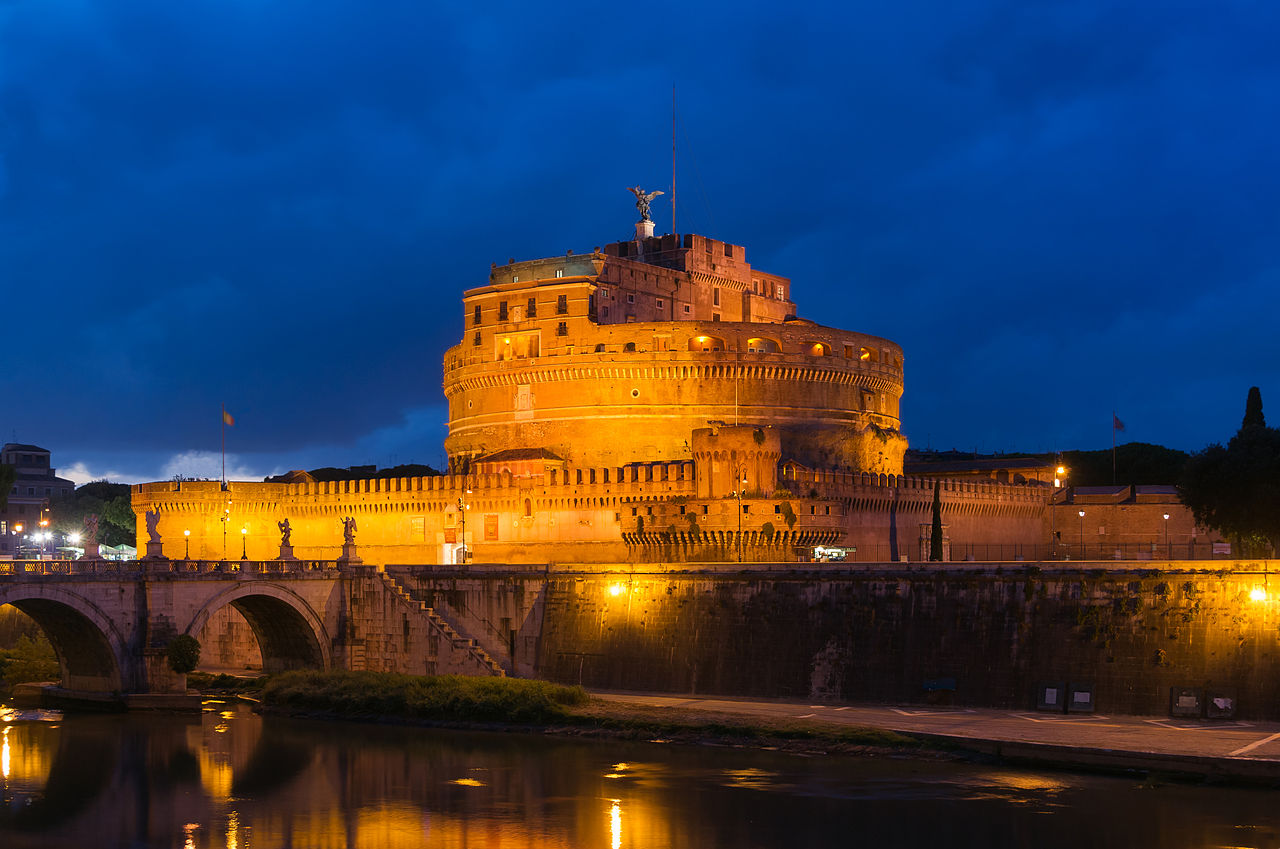
2nd-century mausoleum of Emperor Hadrian turned Vatican fortress + papal escape route. Terrace on top has panorama of Vatican + Rome.
_(5900530118).jpg/330px-La_place_des_corporations_(Ostia_Antica)_(5900530118).jpg)
Rome's ancient port (4th century BC) — preserved Roman streets, mosaic floors, amphitheatre, baths. 30 min by train from Rome — like Pompeii without the crowds.
Not worth your time or money.
Aug if you dislike crowds
Peak season: highest prices and longest queues
Paying €6 for Espresso at bar counter
Piazza Navona sit-down service. Locals pay about €1.50.
Touristy restaurants on main piazzas (Navona, Spagna, Trevi)
Unofficial taxis at FCO airport (use official rank)
"rose sellers" at Trevi + Navona (aggressive scammers)
"petition scammers" on metro
Eating/drinking on Trevi Fountain or Spanish Steps (fines)
Off the beaten path — places most visitors never find.
Small keyhole in a door on Aventine Hill — peek through to see St. Peter's framed perfectly down a cypress-lined garden path. Free.
12th-century church built atop a 4th-century church built atop a 1st-century Mithraic temple — three layers you can walk through. €10.
Keats + Shelley + Antonio Gramsci graves at a serene cypress-shaded cemetery behind the Pyramid of Cestius. Free entry with suggested donation.
Roman aqueduct ruins running through a public park — cinematic, uncrowded, great for sunset photos. Free.
06:00-08:00 on a weekend, Trastevere's streets are empty + golden-hour perfect — you can have the whole neighborhood to yourself.
Plan your days
Copy a plan or let Tripdox build one around your dates.
Espresso + cornetto at a bar counter
St. Peter's Basilica at opening (no queue)
Vatican Museums + Sistine Chapel
Lunch at Pizzarium (pizza al taglio)
Castel Sant'Angelo + Pont Sant'Angelo
Piazza Navona + Pantheon
Trevi Fountain + Spanish Steps
Dinner in Trastevere (Da Enzo or Osteria Der Belli)
Gelato at Giolitti + walk across Ponte Sisto at night
St. Peter's + Sistine + Navona + Pantheon
Coffee + cornetto
St. Peter's Basilica
Vatican Museums + Sistine Chapel
Pizzarium lunch
Castel Sant'Angelo + Piazza Navona + Pantheon
Dinner at Roscioli or Trastevere
Colosseum + Forum + Trevi + dinner
Colosseum tour (book timed entry)
Roman Forum + Palatine Hill
Lunch in Monti (Pizzeria la Montecarlo)
Capitoline Museums OR shopping Via del Corso
Trevi Fountain + Spanish Steps
Dinner in Testaccio (Flavio al Velavevodetto)
A theme for each day — reorder it around your flights.
Arrive, Centro Storico walk + dinner in Trastevere
Vatican City full day + Castel Sant'Angelo sunset
Colosseum + Forum + Palatine + Monti dinner
Borghese Gallery + Villa Borghese + Spanish Steps + Trevi
Testaccio market + Aventine + Ostia Antica day trip
Capitoline Museums + Jewish Ghetto + Tiber walk
Florence day trip (1h 30m by high-speed train) or departure
A perfect day
9 stops from 07:00 to 23:30. Follow it end to end, or borrow the parts you like.
Espresso + cornetto at a bar counter (€3 standing, €8 sitting). Italians eat breakfast in 5 min.
St. Peter's, Vatican Museums, or Colosseum first thing — 2 hours before tour group peak.
Primo (pasta €12-16) + secondo (meat €18-25) + acqua + house wine. Roman lunches are 1.5 hours minimum.
Roman afternoons dead 14:00-16:30 (pausa pranzo shop closures).
Negroni + Aperol spritz + complimentary snacks — Italian pre-dinner ritual. €12-15 per drink.
Trevi, Navona, Spanish Steps in golden hour — magical + relatively uncrowded before dinner time.
Trastevere trattoria €35-50, Testaccio €30-45, fine dining €80-150. Romans eat 20:30-22:30.
Gelato + evening walk along the Tiber banks or through the historic center. Rome is stunning at night.
Campo de' Fiori for beer; Trastevere for wine bars; Monti for cocktails.
Estimated spend for the day€109
Based on the 6 of 9 stops that list a cost.
Food & drink
10 dishes to try and 8 places to eat in Rome, from about €4 to €300 a head.

Pasta with aged pecorino romano + black pepper — emulsified in starchy pasta water. Roman trinity dish #1. €12-18 at a trattoria.

Spaghetti + guanciale (pork jowl) + egg yolk + pecorino romano + black pepper. NO cream, NO bacon, NO onion — these are Roman-speaker's scandals.

Spaghetti with guanciale + tomato + pecorino + pepper. Roman trinity dish #3 (with cacio e pepe + carbonara).

Deep-fried risotto balls with mozzarella heart — "supplì al telefono" when melted cheese pulls like phone wire. Roman tavola calda classic.
Thick-crust square pizza sold by weight at pizzerias — €15-25 per kg. Better value than sit-down pizza.
Per 200g slice.

Artisanal gelato is a Roman sacrament. Giolitti, Fatamorgana, Come il Latte are the legends. Avoid fluorescent colors = artificial.
Medium cup.

Artichokes two ways — stewed with mint + garlic (alla Romana), or deep-fried whole (alla Giudia, Jewish Ghetto specialty).
Veal escalope + prosciutto + sage + white wine. Main course classic.

Espresso-soaked ladyfingers + mascarpone + cocoa. Not Roman invention but perfected here.

Italian breakfast — strong espresso + croissant-like pastry. €1.50 at a bar counter (no sit-down fee).
Our shortlist, cheap to splurge.
Antico Forno Roscioli
Artisan bakery since 1824 · 34 Via dei Chiavari
Signature: Pizza bianca with mortadella + pastries.
Giolitti
Gelato since 1890 · 40 Via degli Uffici del Vicario
Signature: Pistachio gelato + panna.
Pizzarium
Gourmet pizza al taglio · Via della Meloria, 43, Vatican area
Signature: Gabriele Bonci's pizza slices — lines around the block.
Trapizzino Testaccio
Street food pockets · Piazza Augusto Imperatore + multiple
Signature: Triangular pizza pocket stuffed with stews.
Da Enzo al 29
Cucina Romana · 29 Via dei Vascellari, Trastevere
Signature: Cacio e pepe + oxtail stew
Book 3+ days ahead; 20-seat trattoria.
Flavio al Velavevodetto
Roman classics · Via di Monte Testaccio, 97, Testaccio
Signature: Tonnarelli cacio e pepe + roman lamb.
Roscioli
Trinity of pasta + salumi · 21 Via dei Giubbonari
Signature: Carbonara tribute + salumi board; book 2-3 weeks ahead.
La Pergola
Fine dining · Rome Cavalieri Hotel, Monte Mario
Signature: 3-Michelin-star tasting; book 2 months ahead.
Getting around
Rome has 3 Metro lines (A red, B blue, C green) — limited because every excavation hits ancient ruins. Buses + trams fill gaps. €1.50 per 100-min ticket covers metro + bus + tram. Centro Storico (Pantheon, Navona, Spanish Steps) is walkable — the metro doesn't reach it. Taxis are metered; Uber (only black cars in Rome).
Most routes; Metro less useful in center
Single 100-min €1.50; 24h €7; 48h €12.50; 72h €18; weekly €24.
Direct Fiumicino to Termini
Single adult; €27 round-trip same-day.
Fiumicino cheaper option
Late night + FCO airport
FCO airport flat fare €50 within Aurelian Walls.
Best transport in Centro Storico
4 options · multiple airports
Leonardo Express train FCO to Termini
Every 15 min 05:30-23:00, non-stop.
32 min
€14
FL1 regional train FCO to Trastevere/Ostiense
Cheaper with stops in central neighborhoods.
48 min
€8
Official taxi FCO to central Rome
Take official white taxis at terminal ranks.
45 min
€50
Ciampino (CIA) airport bus to Termini
Budget + charter airlines; Terravision or SitBus Shuttle.
40 min
€7
Realistic travel times between the places you'll actually go.
Fiumicino (FCO)Termini
TerminiColosseum
TerminiVatican
RomeFlorence
RomeNaples
Practical
Etiquette, money, a few words of Italian, safety and what to pack.
Do
Avoid
Essentials
Climate
Cultural
Electronics
If something goes wrong
Save these before you land. Tap a number to call from your phone.
Viale del Policlinico, 155
Lungotevere in Sassia, 1
Via Emilio Longoni, 69
FAQ
Straight answers to the 18 questions first-time visitors ask most.
April-May (18-24°C, spring, crowded but ideal) and September-October (20-25°C, autumn, still warm + crisp). Avoid July-August (32°C+, many Romans leave + restaurants close, still crowded with tourists). November-March is cool + rainy + cheap. December has Christmas lights + Vatican Christmas Eve Mass (ticketed).
Four days for essentials: one day Vatican (Basilica + Museums), one day Ancient Rome (Colosseum + Forum + Palatine), one day Centro Storico (Pantheon + Navona + Trevi + Spanish Steps), one day for Borghese + Trastevere. Six-seven days adds Ostia Antica day trip, Capitoline Museums, and time for shopping/food focus.
Yes — absolutely. Walk-ups are 2-3 hours in queue peak season. Book 30+ days ahead at museivaticani.va — official site cheapest. Peak times (Tue-Thu mornings) sell out. Free entry last Sunday of month but brings massive queues. Consider "Breakfast at the Vatican" €45 for 07:30 early access.
Mid-range daily €170-220/person including 3-star hotel + three meals + transport + one attraction. Budget: €90-110/day with hostels + pizza al taglio + free attractions. Luxury: €600+. Rome is cheaper than Paris/London, slightly cheaper than Florence/Venice, more expensive than Lisbon/Budapest. Pizza al taglio + trattoria pastas (€12-18) keep food costs reasonable.
Yes, generally. Violent crime rare. Pickpocketing + bag-snatching are the real issues — very active on Metro B (Termini-Colosseum), buses around tourist sights, Spanish Steps + Trevi at peak hours, Vatican crowds. Keep phones zipped in front pockets. Scammers: "rose sellers", "petition scammers", "bracelet ties". Walk past without engaging. Taxi: always use official white metered taxis + flat €50 FCO airport rate.
Italy is in the Schengen Area. 60+ nationalities get 90 days in 180 days visa-free. From 2025, US/UK/Canada/Australia/Japan nationals need ETIAS (Electronic Travel Information and Authorization System) — €7 online application, 3-year validity. Indian + Chinese + African passports require Schengen visa (~90 days processing). Passport must be valid 3+ months after departure date.
Depends on your itinerary. Rome Pass 72h (€55) includes: unlimited bus/metro + Colosseum + 1 extra museum + 50% off further attractions. Breakeven: 2 paid attractions + multiple transit rides. Most first-timers find it worth it. Vatican Museums are NOT included (separate private entity). Check pass options: omniaRomaPass for Vatican + Rome bundle.
Cucina romana trinity: cacio e pepe, carbonara, amatriciana. Supplì (deep-fried risotto balls), pizza al taglio at Pizzarium, gelato at Giolitti or Fatamorgana, carciofi alla Romana (artichokes), saltimbocca alla Romana (veal + sage). Fine dining: La Pergola 3 Michelin stars. Authentic budget: Flavio al Velavevodetto (Testaccio). Avoid restaurants on Piazza Navona + Spanish Steps — tourist traps.
Yes — Rome has some of the world's best tap water, coming from ancient aqueducts through 2,500+ "nasoni" (public drinking fountains) spread throughout the city. Fill reusable bottles at any fountain. Restaurants serve free tap water ("acqua di rubinetto" or "acqua naturale"). Bottled water €1-2 at shops, €4-6 at restaurants — the same quality.
Yes — full Vatican day is: 08:00 St. Peter's Basilica (free, at opening), 10:00 Vatican Museums (pre-booked), 13:00 lunch at Pizzarium (nearby), 14:30 continue through Sistine Chapel + Gallery of Maps, exit by 17:00. Dome climb St. Peter's (€10, 551 steps) if energy permits. Dress modestly — shoulders + knees covered mandatory.
Vatican City is the world's smallest country (0.49 km²) + an independent sovereign state with its own passport control, postal system, currency (euro), and legal code. It sits entirely within Rome — cross a painted line on the ground and you're in another country. Passport not checked for tourists. Vatican Museums + St. Peter's are within Vatican; everything else (Colosseum, Pantheon, Trevi) is Italian Rome.
Technically yes but rushed. From Florence (1h 30m by Frecciarossa €25-80) or Naples (1h 10m €20-70) a day trip is doable for 1-2 sights. But Rome deserves 3-4 days. Better: use Rome as a base for day trips to Florence, Naples, Tivoli (Villa d'Este), Ostia Antica, Orvieto.
Restaurants: AVOID anywhere on Piazza Navona, Piazza di Spagna, Trevi Fountain, or with laminated multi-language menus + touts outside. Walk 5-10 min in any direction to real trattorias. Book recommendations (Da Enzo, Roscioli) days ahead. Coffee: always stand at bar (€1.50) vs sit (€4-6). Pizza: al taglio at Pizzarium/Bonci/Forno Roscioli for authentic + cheap. Tickets: book official Colosseum/Vatican sites, not "skip-the-line" tour resellers charging 2-3x.
Avoid: touristy restaurants on main piazzas (Navona, Spagna, Trevi); unofficial taxis at FCO airport (use official rank); "rose sellers" at Trevi + Navona (aggressive scammers); "petition scammers" on metro; eating/drinking on Trevi Fountain or Spanish Steps (fines); wearing shorts in churches (refused entry); drinking cappuccino after 11:00 (locals will mock you gently); leaving phone on outdoor restaurant table (scooter-thieves).
Rome: best if you're into ancient history + Renaissance art + traditional Italian food. Paris: best for art + fashion + romance + baguettes + long meals. Barcelona: best for Gaudí architecture + beaches + tapas + party + mediterranean vibe. First time Europe: probably Paris (most accessible), Rome (most historic), Barcelona (most fun). All three as a 2-week trip is ideal.
Yes — Colosseum + Forum fascinate kids; Gladiator School private lessons popular; Explora Children's Museum; Villa Borghese zoo + bike rentals + puppet theater; Gelato everywhere; Pizzarium for flexible pizza lunch. Avoid: long Vatican Museums visit (4+ hours kills even adult attention). Most restaurants welcome kids; expect early dinner reservations (19:00-19:30) vs Roman 20:30+.
Check bill for "coperto" (cover charge €2-5) or "servizio" (service 10%) — usually already added. If not, 5-10% for excellent service. Bar counter (espresso standing): no tip. Taxi: round up to nearest €1. Hotel staff: €1-2 bellhop, €1-2/day housekeeping, €5-10 concierge for restaurant reservations.
Mid-August (Ferragosto, Aug 15) marks Italian national vacation — half of Rome leaves. Many trattorias + small shops close for 2-3 weeks. Major tourist sights remain open but feel emptier (locals say "too empty"). If visiting August: plan around restaurant closures, book fine-dining spots that stay open well ahead, accept 38°C heat, and enjoy the rare quiet Roman streets.
Your move
Describe your trip in a few sentences. Tripdox finds flights, picks hotels, orders your days and builds the full itinerary — priced in EUR or your own currency.
Free · No credit card · 2 minutes
More guides built the same way — read one, then let Tripdox plan it.
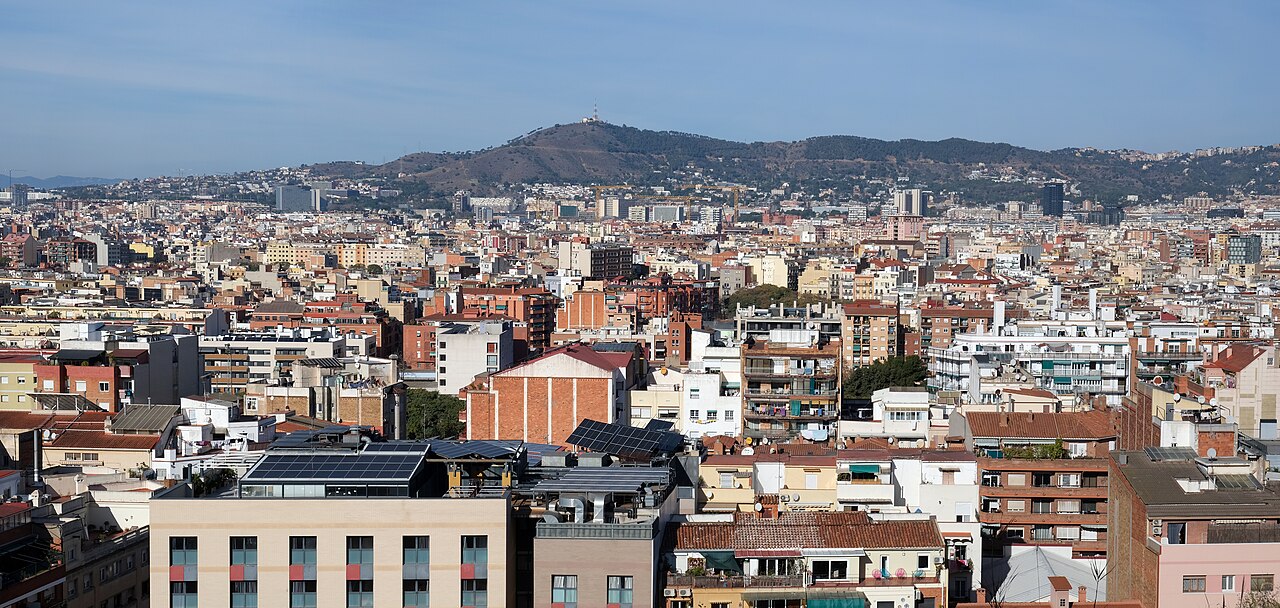
Gaudí's hallucinatory architecture, a 4 km beach, world-class tapas, and a Gothic Quarter that's been inhabited since the Romans

165 canals, 1,500 bridges, 881,000 bikes, and more Van Goghs + Rembrandts per square kilometre than anywhere else

1,000 years of Gothic + Baroque + Art Nouveau spires packed into a compact UNESCO city


_-_Right_side_and_front.jpg/330px-Pantheon_(Rome)_-_Right_side_and_front.jpg)

_at_night.jpg/330px-Piazza_Navona_(Rome)_at_night.jpg)